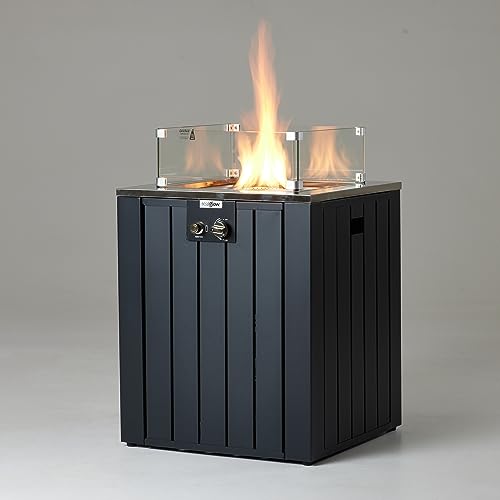
10 Unquestionable Reasons People Hate Gas Powered Heaters
Gas Powered Heaters: A Comprehensive Guide
When it concerns heating property or commercial spaces, gas-powered heaters have actually made a distinguished track record for their efficiency and affordability. Using a combination of efficiency and cost-efficient operation, they are preferred by numerous property owners and organizations alike. This post aims to clarify the various types, advantages, and considerations related to gas-powered heaters, allowing readers to make educated choices about their heating solutions.
Types of Gas Powered Heaters
Gas-powered heaters can mostly be categorized into different categories based on their style and function. Each type serves a specific purpose and features special functions:
Type
Description
Common Uses
Gas Heaters
Use natural gas as a fuel source.
Residential areas, commercial structures
Propane Heaters
Usage propane gas, frequently in locations without gas.
Outdoor heating, remote locations
Infrared Gas Heaters
Give off infrared radiation to directly heat objects.
Patios, workshops, garages
Gas Wall Heaters
Installed on walls, these heaters are space-saving.
Little rooms, bed rooms
Gas Fireplaces
Supply both heat and aesthetic appeal.
Living spaces, recreational spaces
Advantages of Gas Powered Heaters
Gas-powered heaters featured several notable advantages, adding to their popularity amongst users. Here are a few of the essential advantages:
Energy Efficiency: Gas heaters are known for their high energy effectiveness. They convert a big portion of the energy in gas into heat, typically earning high typical Annual Fuel Utilization Efficiency (AFUE) rankings, which determines how effectively a heating unit converts gas energy into functional heat.
Cost-Effective Operation: Natural gas and propane are usually more budget-friendly than electricity. Homeowners utilizing gas heating can see an obvious decrease in their utility costs throughout the chillier months.
Fast Heating: Gas-powered heaters tend to warm areas rapidly, offering immediate relief, specifically throughout cold winter season days and nights.
Lower Environmental Impact: Compared to electrical heating systems that depend on fossil-fuel energy sources, gas heaters can be a more environmentally-friendly option, particularly when using natural gas that produces less carbon emissions.
Dependability: Gas systems can continue to work throughout power blackouts, that makes them a reliable heating choice in areas vulnerable to severe weather condition or electrical interruptions.
Factors to consider When Choosing a Gas Powered Heater
While gas-powered heaters provide a series of benefits, there are likewise numerous considerations to remember before buying:
Installation Requirements: Some gas heaters need professional installation including venting systems to securely expel combustion gases. Ensure you understand the setup procedure and any associated expenses.
Safety: It is necessary to keep safety in mind when using gas appliances. Routine maintenance and inspections are important to preventing concerns such as gas leakages or carbon monoxide gas, which can posture major health dangers.
Space and Size: Selecting the right size heater for your space is vital. A large unit can lead to brief biking and unneeded expenditures, while a small system may not supply appropriate heat.
Fuel Availability: Assess the accessibility of either gas or propane in your location. This can affect continuous costs and usage.
Regional Regulations: Check any local structure codes and policies concerning gas setups to guarantee compliance and safety.
Maintenance Tips for Gas Powered Heaters
To extend the life of gas-powered heaters and maintain their efficiency, think about implementing the following upkeep techniques:
Regular Inspections: Schedule yearly assessments with a qualified specialist to examine the general condition of the heater and determine any prospective problems.
Tidy the Burner: Dust and debris can collect on burner, leading to ineffective operation. Cleaning up periodically can assist enhance efficiency.
Check Ventilation: Ensure that venting systems are clear of obstructions and operating correctly to reduce threats of carbon monoxide gas buildup.
Search For Gas Leaks: Regularly inspect the gas line and connections for any potential leakages. Sudden increases in gas expenses might show a problem.
Replace Filters: On certain designs, air filters may need replacement or cleansing to guarantee proper airflow and system performance.
Frequently Asked Questions About Gas Powered Heaters
1. How do I understand what size gas heater I need?
Computing the proper size of a gas heater for your space generally includes examining the square footage of the location to be heated, insulation quality, and environment conditions. A professional assessment can also offer accurate sizing recommendations.
2. Are gas heaters safe to use?
Yes, gas heaters can be safe when utilized and preserved properly. Nevertheless, it's essential to follow safety guidelines consisting of regular examinations and upkeep to guarantee that prospective risks such as gas leakages are alleviated.
3. Can I utilize gas heaters indoors?
Lots of gas heaters are safe for indoor usage, but they should be properly vented to the outside. Constantly describe the maker's guidelines and regional policies before using gas heaters inside your home.
4. What should I do if I smell gas?
If you find a gas smell, evacuate the location immediately, do not run any electrical devices, and call your regional gas business or emergency situation services to report the leak.
5. The length of time do gas heaters last?
With appropriate upkeep, a high-quality gas heater can last anywhere from 10 to 20 years. Regular service can assist extend its life-span.
Gas-powered heaters are an efficient and efficient way to heat spaces during chillier months. With Outdoor Ambiance , customers can find a heating service tailored to meet their specific needs and choices. By understanding the benefits, considerations, and correct upkeep needed, people can guarantee that their gas heating systems provide warmth dependably and securely for numerous winter seasons to come.